
Pure White vs Alabaster: Which Sherwin Williams White Is Right for Your Home?
Looking for the perfect white paint color? Here’s how Sherwin Williams Pure White and Alabaster compare in real homes.
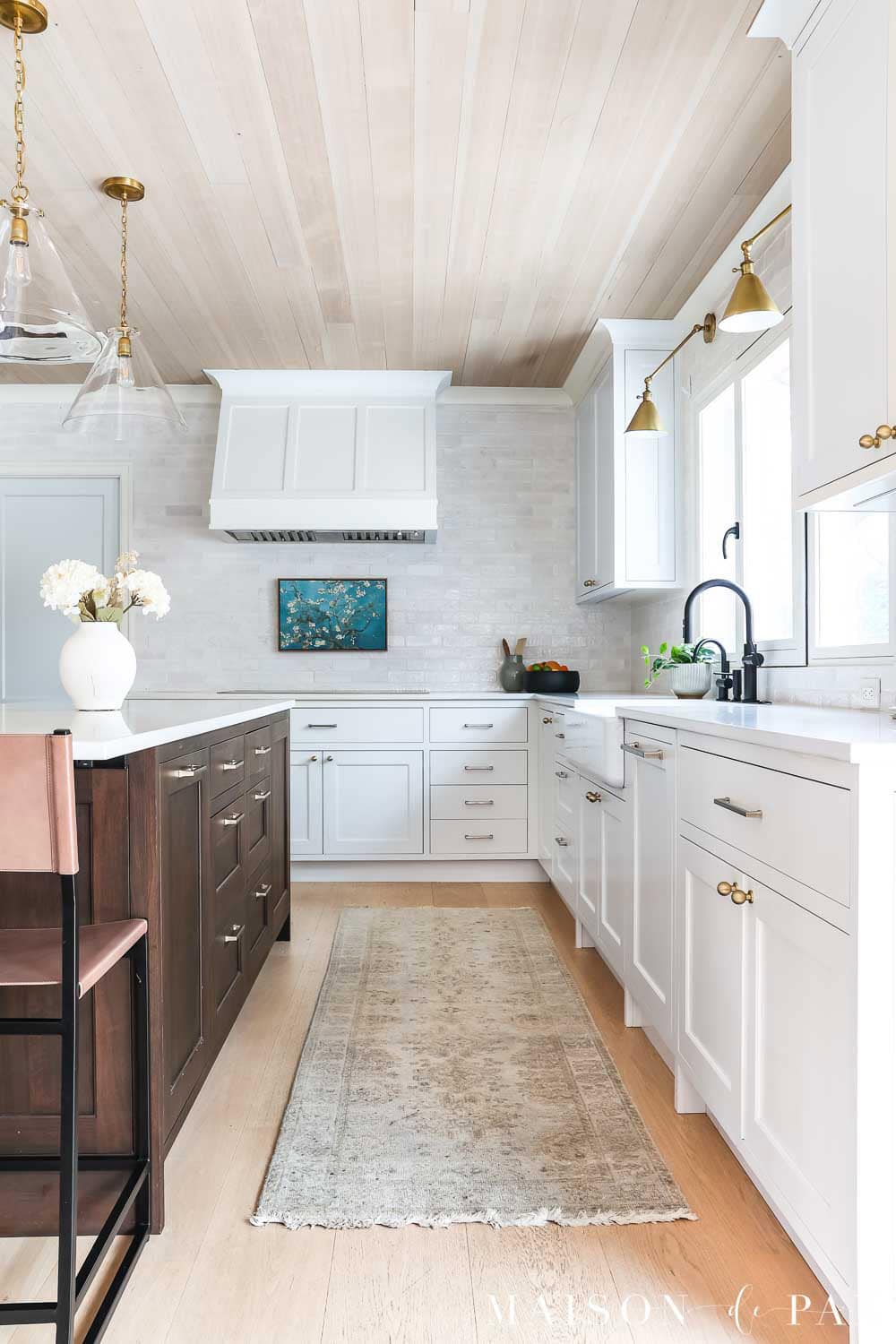
If you’ve been searching for the perfect white paint color, chances are you may have narrowed it down to two of the most popular options: Sherwin Williams Pure White and Sherwin Williams Alabaster.
And honestly? I understand why.
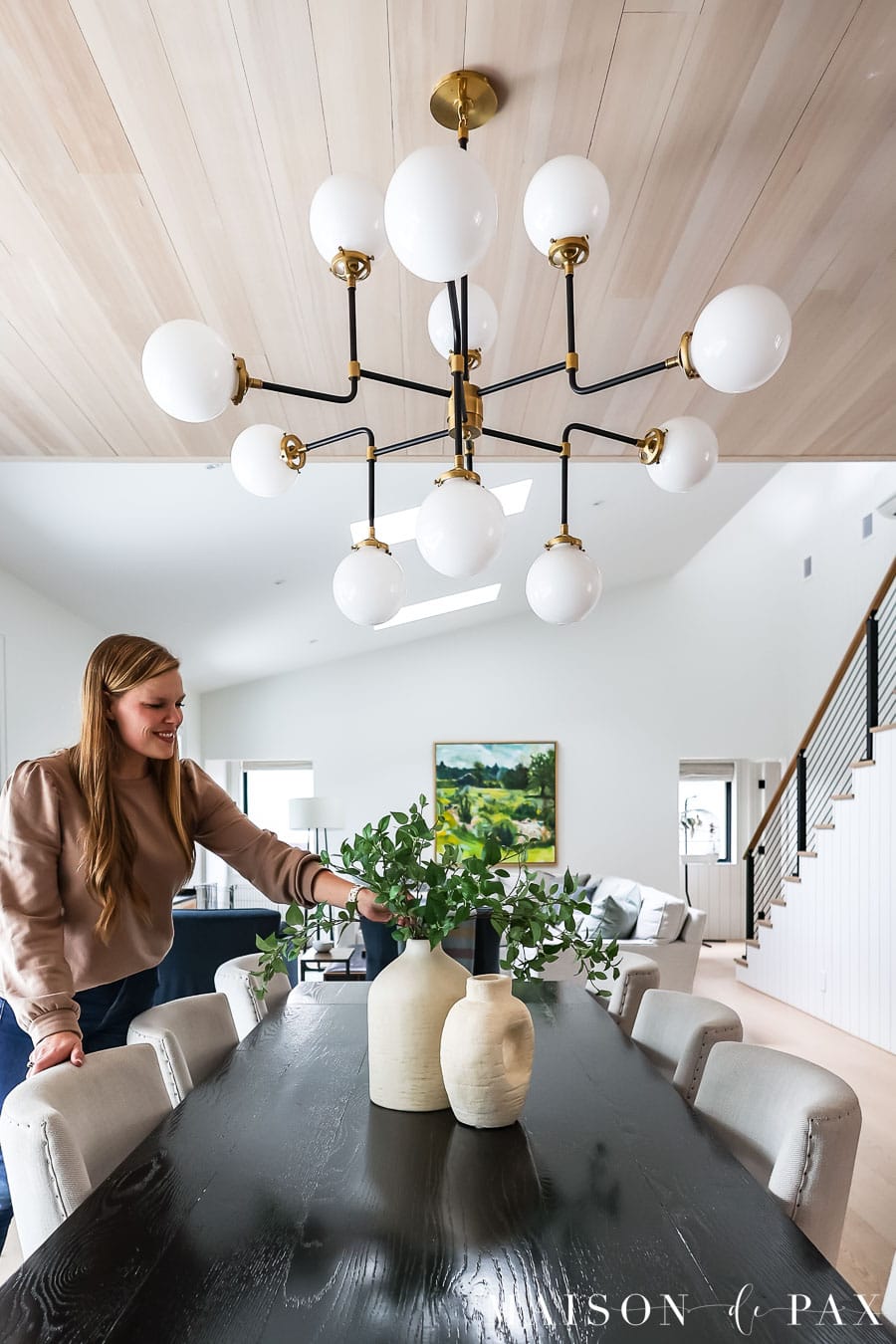
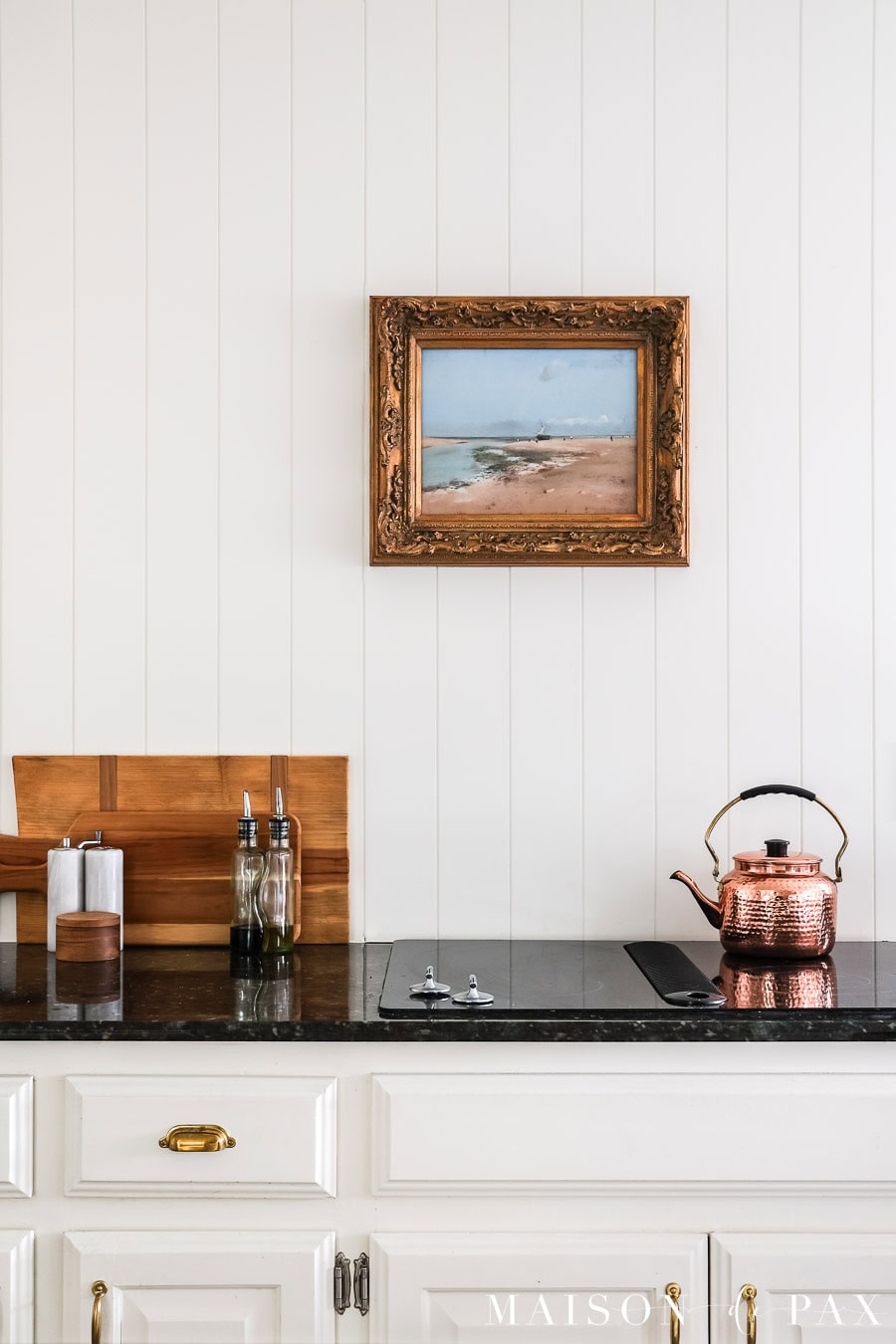
They’re both beautiful, soft whites. Neither feels stark or overly trendy. Both work beautifully in a wide range of homes and design styles. And after using both extensively in multiple homes over the years, I can confidently say they’re two of my favorite whites.
In fact, I currently have both in my own home right now.
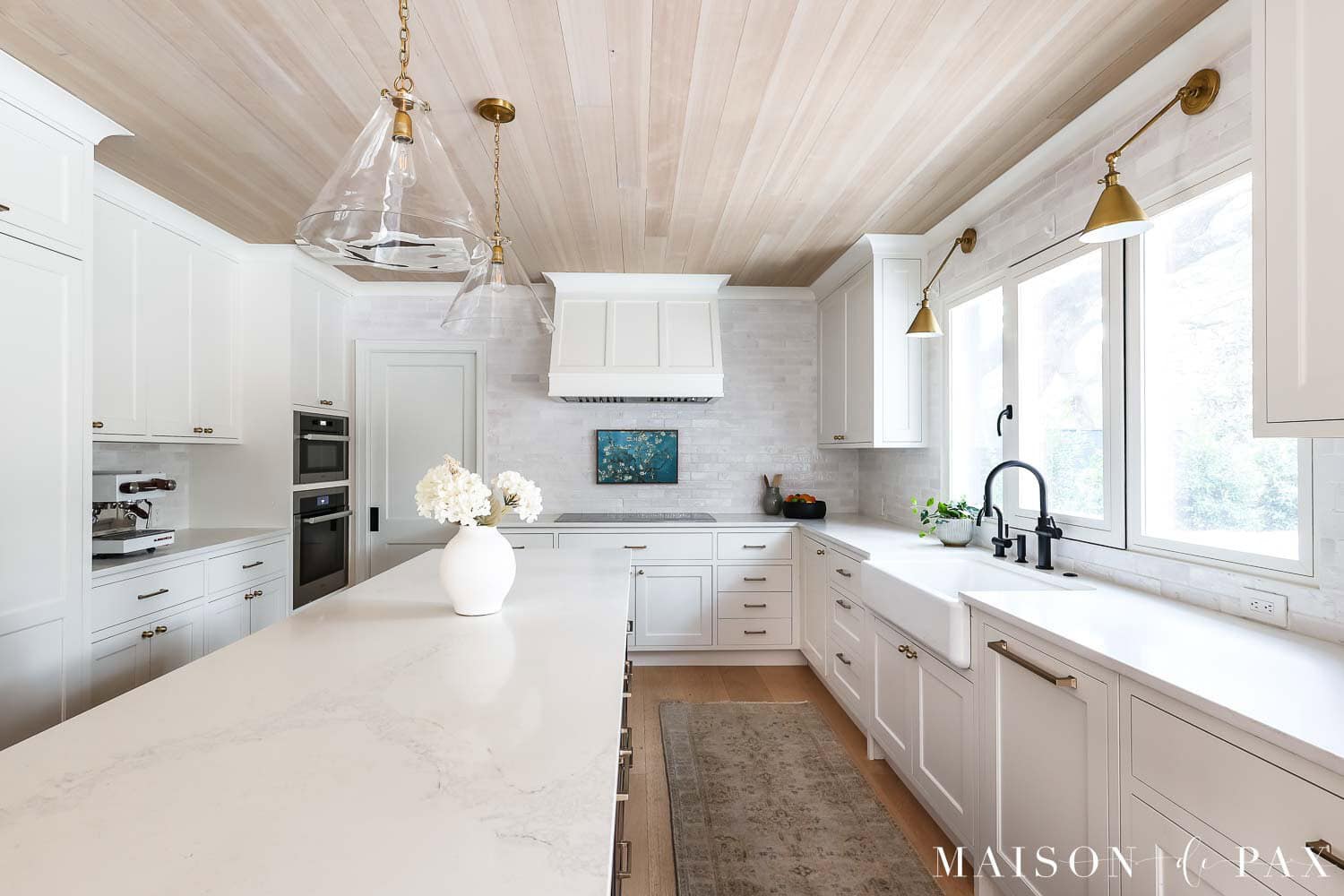
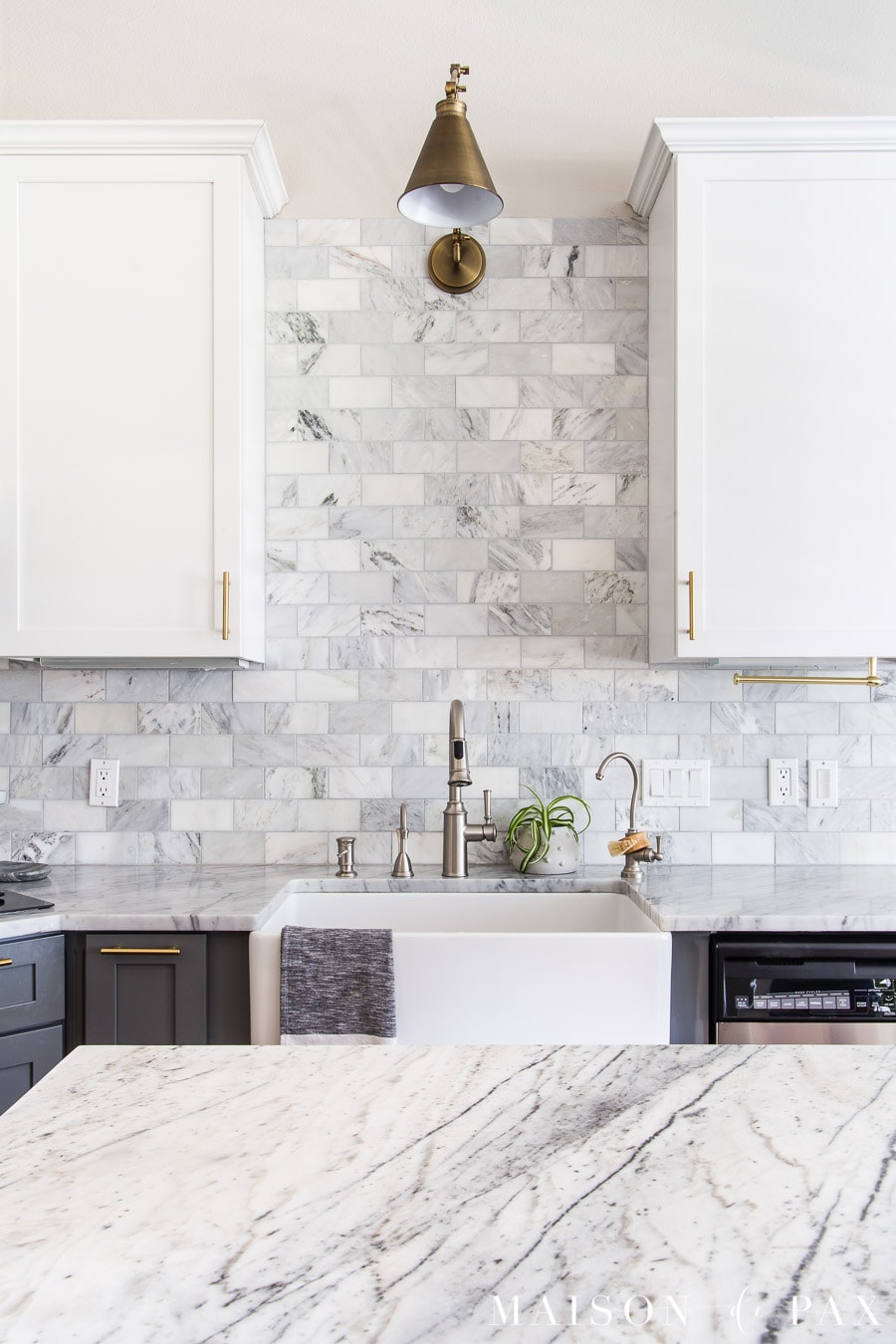
Our kitchen already had Alabaster cabinetry and trim when we moved in, and because we weren’t ready for a full kitchen renovation, we kept it. But in the rest of the house, for walls, ceilings, trim, and doors, I chose Pure White because I wanted a brighter, cleaner, slightly fresher feel.

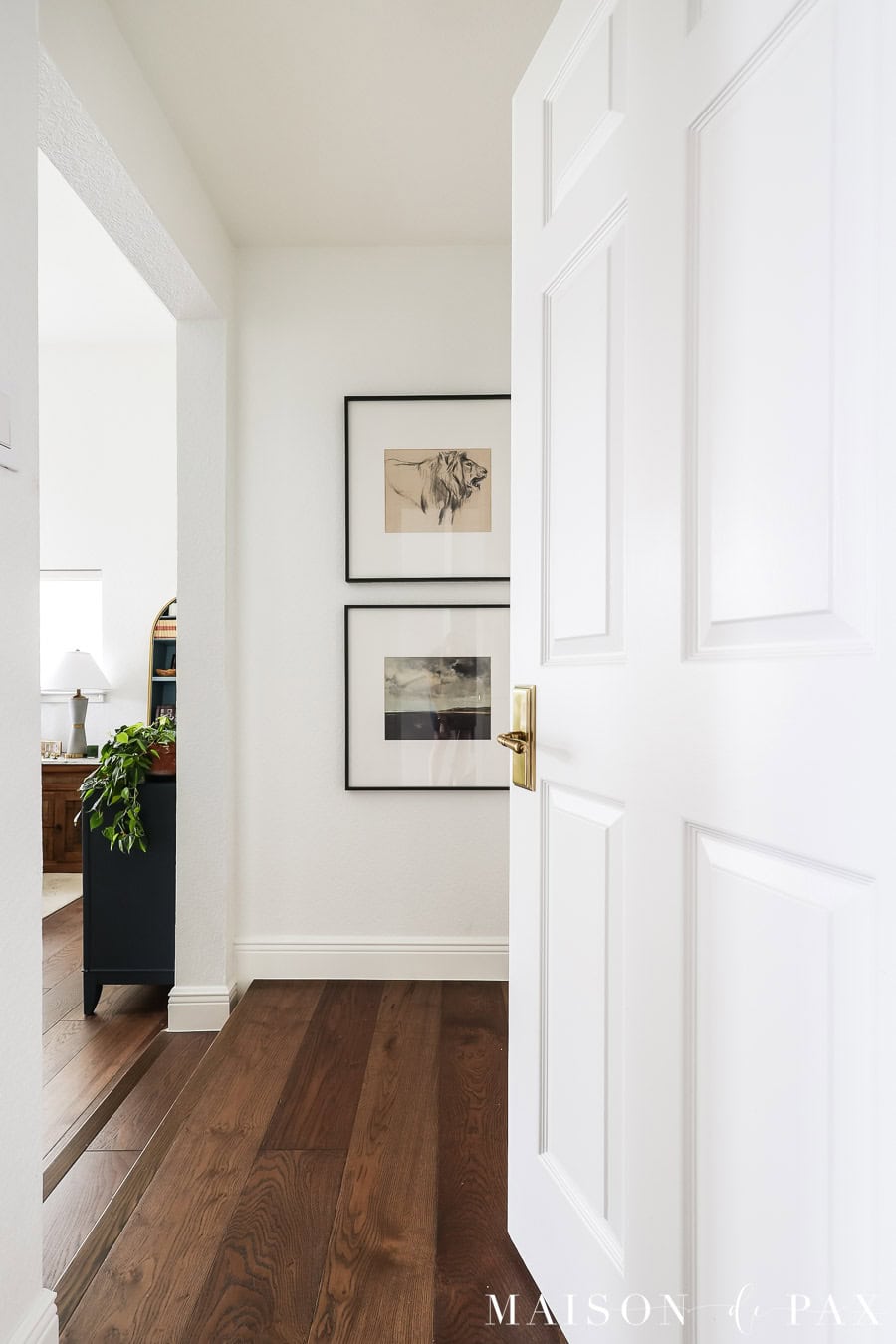
That alone probably tells you something important: these colors absolutely belong in the same family. But while they’re similar, they create very different moods in a home.
So if you’re trying to decide between SW Pure White vs Alabaster, here’s the real difference between them — along with how they look in actual homes, lighting conditions, and design styles.
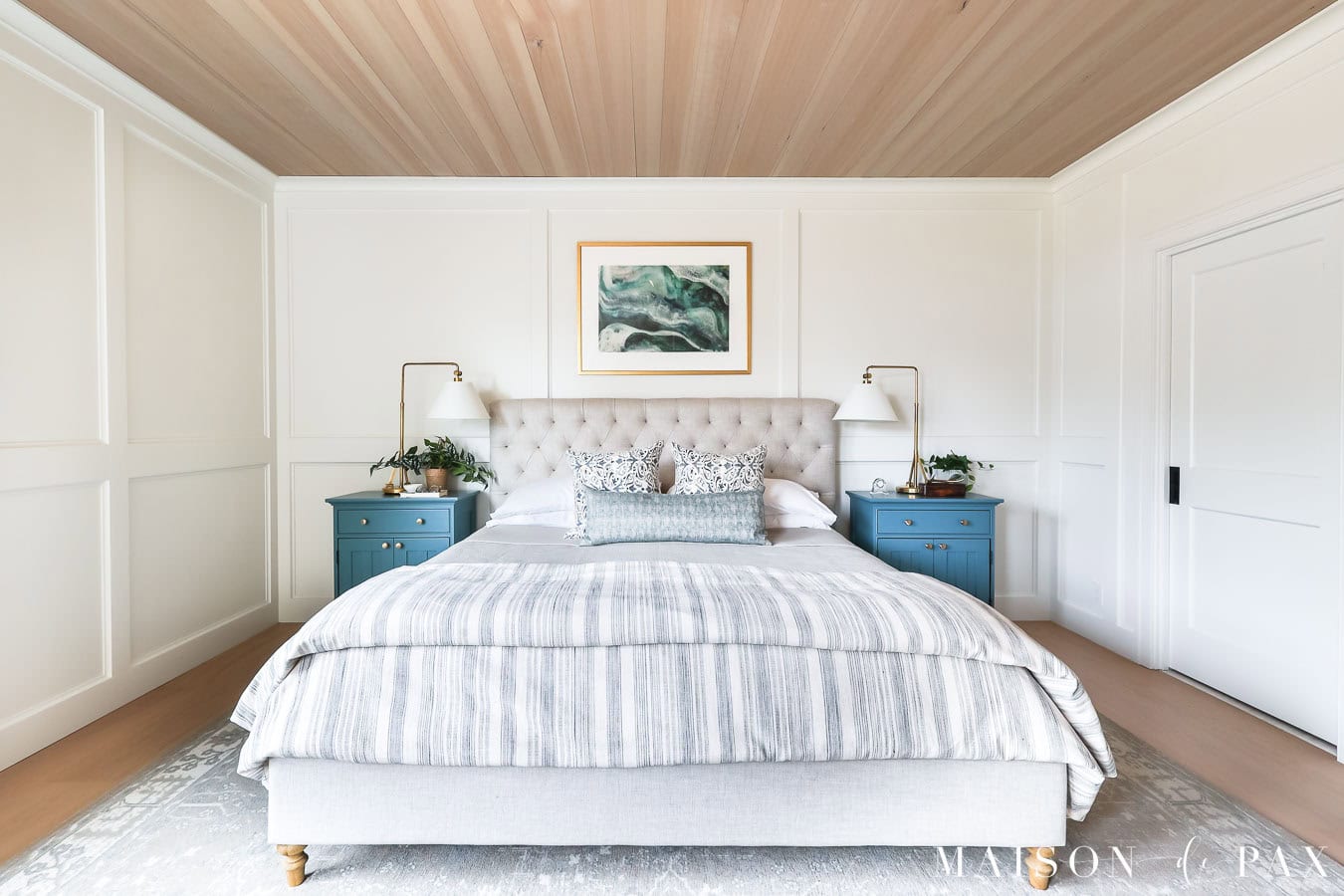
Want a deeper look at each color individually? You can also see my full reviews of:
Pure White vs Alabaster Comparison Chart
| Feature | Sherwin Williams Pure White | Sherwin Williams Alabaster |
| LRV | 84 | 82 |
| Overall Look | Crisp, bright soft white | Warm, creamy soft white |
| Undertone | Slight warmth with subtle undertones | Warm greige-beige undertones |
| Feels Best For | Clean, fresh, airy spaces | Cozy, warm, inviting spaces |
| Style Pairings | Transitional, modern organic, classic | Traditional, European, cozy |
| How It Looks in North-Facing Rooms | Brighter and crisper | Softer and warmer |
| How It Looks in South-Facing Rooms | Warm and soft, but still white | Creamier and richer |
| Trim Pairings | Extra White, tone-on-tone | Pure White, Extra White, tone-on-tone |
| Works Well With | Blues, black accents, natural wood, marble | Warm woods, earthy tones, warm grays, brass |
| Cabinet Recommendation | Great for crisp white cabinetry | Better for softer, warmer cabinetry |
| Best for Walls? | Yes, especially if you want a true white look | Yes, especially if you want warmth |
| Best for Trim? | Excellent trim color | Better for a softer, traditional trim look |
| Exterior Use | Bright, clean white exterior | Soft, warm white exterior |
| Compared Side by Side | Brighter and cleaner | Richer and creamier |
| If You Want… | A white that feels fresh but not too stark | A white that feels warm but not yellow |
If you want the short version: Sherwin Williams Pure White is the better choice if you want a brighter, cleaner white that still feels soft. Sherwin Williams Alabaster is better if you want a warmer, cozier white with a more relaxed feel.
The Real Difference Between Pure White and Alabaster
The biggest difference between Pure White and Alabaster isn’t actually the undertones or even the LRV.
It’s the feeling they create in a space.
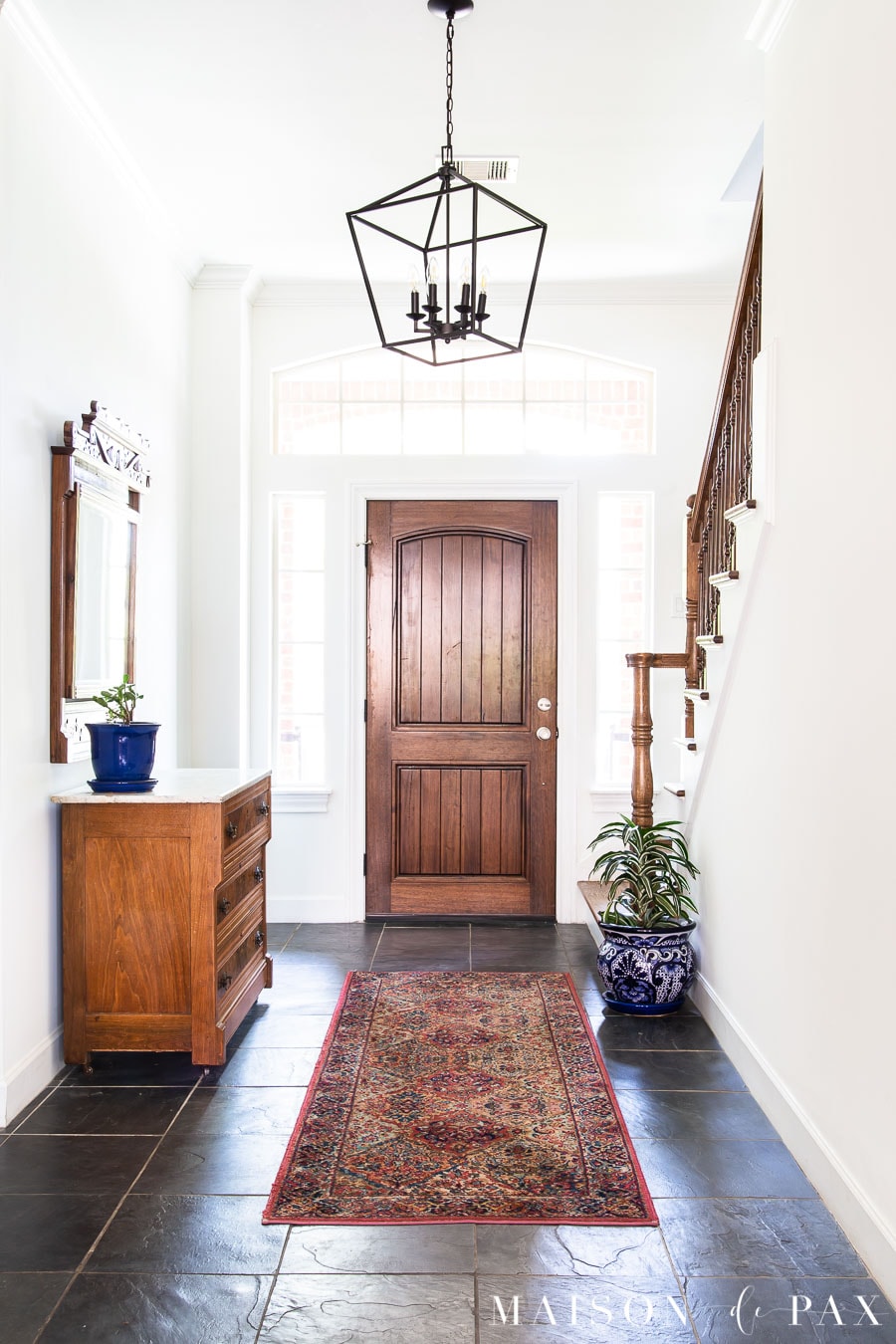
Sherwin Williams Pure White feels brighter, cleaner, and a little fresher. It still has softness — which is why it’s such a popular white — but compared side by side with Alabaster, it definitely reads more crisp and true white.
Alabaster, on the other hand, feels softer, warmer, and slightly more relaxed. It has subtle greige-beige undertones that give it a richer look, especially in warmer light or alongside warm woods and earthy finishes.
Neither one is objectively better. It really depends on the mood you want your home to have.
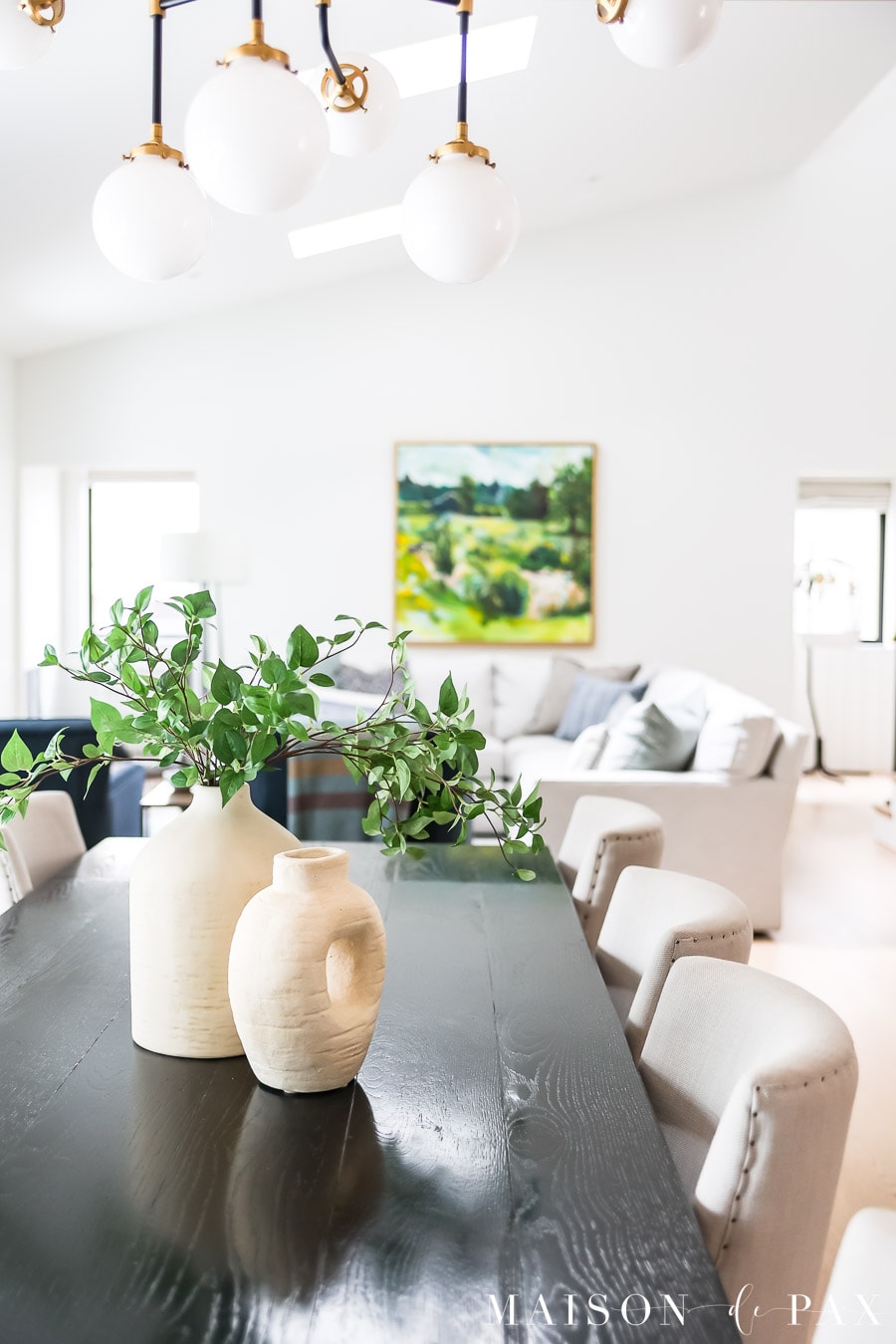
If you want a white that feels airy and fresh without becoming stark, Pure White is often the better choice.
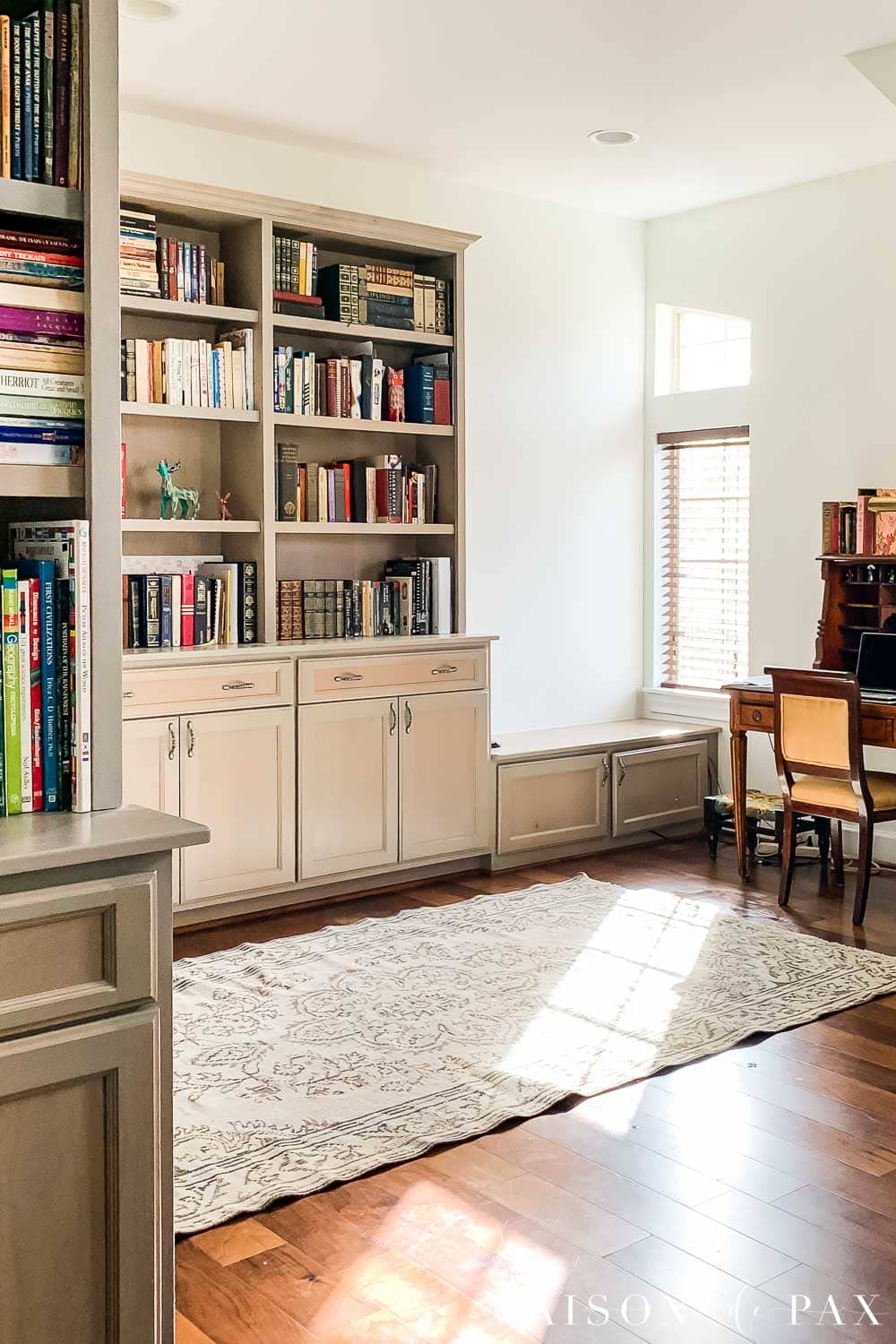
If you want a white that feels warm and cozy without feeling overly yellow, Alabaster is hard to beat.
And honestly, this is why both work so well together in my own house. The Alabaster kitchen feels softer and warmer, while the surrounding Pure White spaces feel brighter and cleaner. They transition surprisingly naturally because they share a similar softness overall.
How Pure White and Alabaster Look in Real Homes
Pure White vs Alabaster in Natural Light
Lighting changes everything with white paint.
In north-facing rooms, Pure White tends to stay brighter and crisper, while Alabaster softens the cool light and adds warmth.
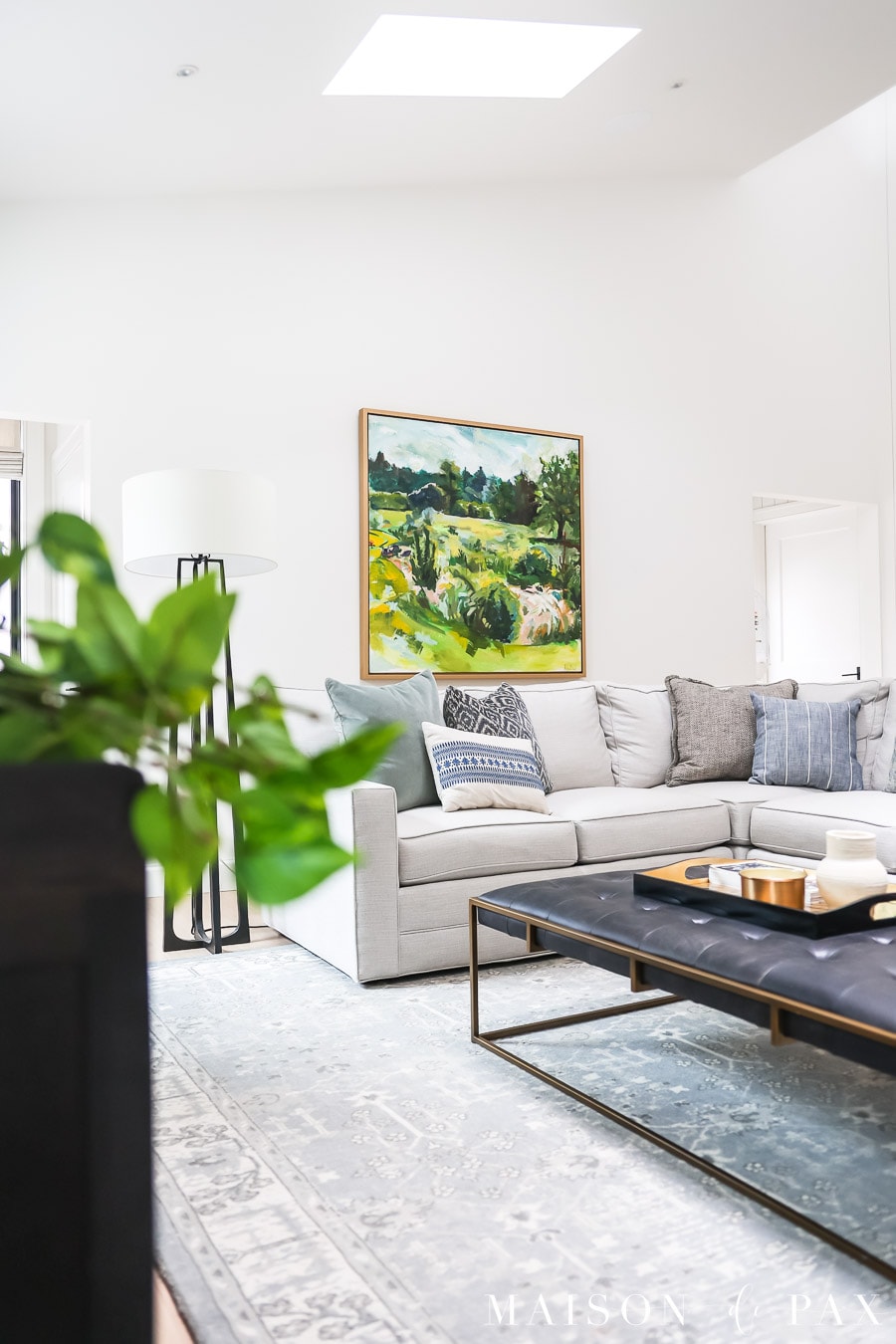
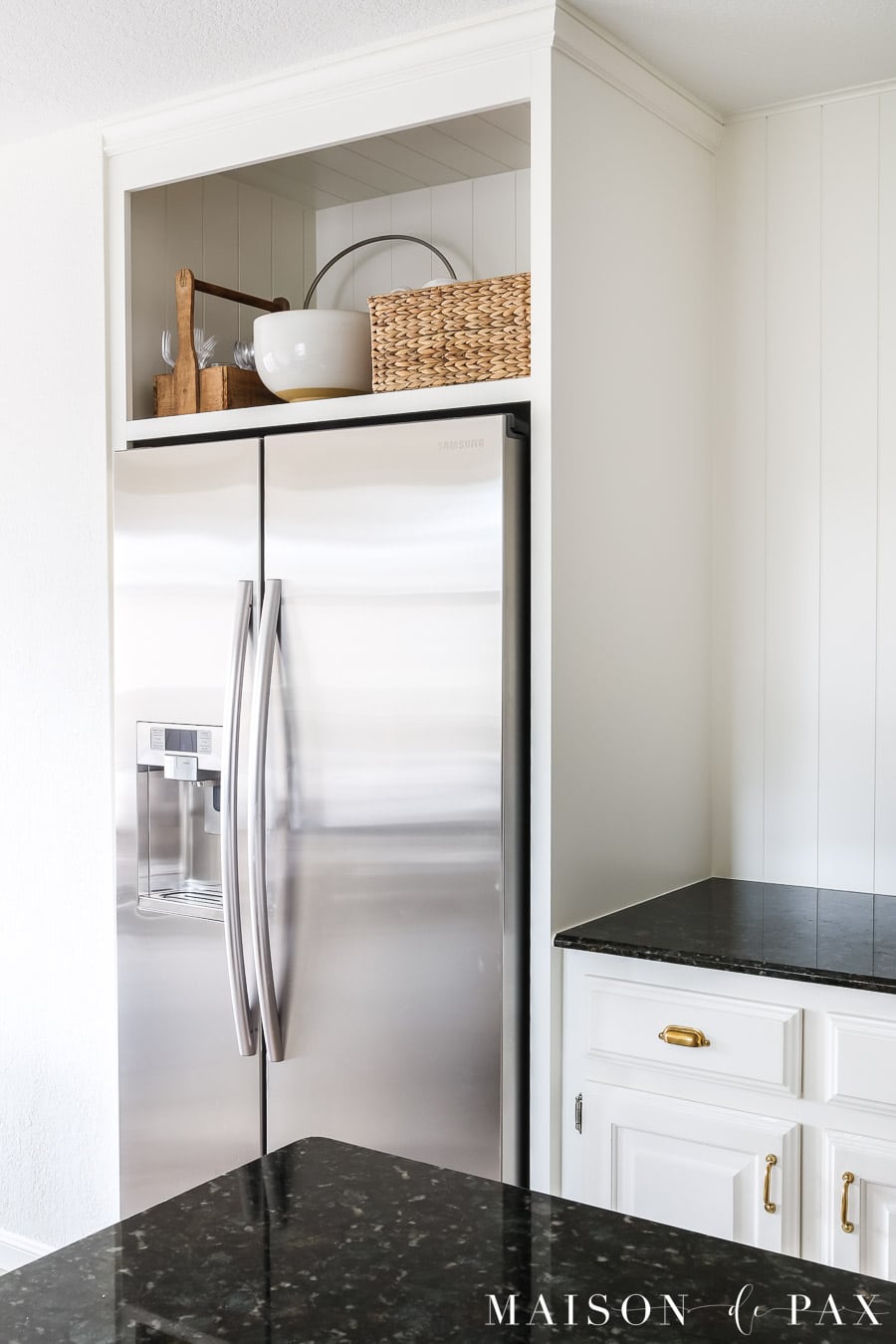
In south-facing rooms, both colors become warmer, but Alabaster can start to look noticeably creamier while Pure White still maintains more brightness.
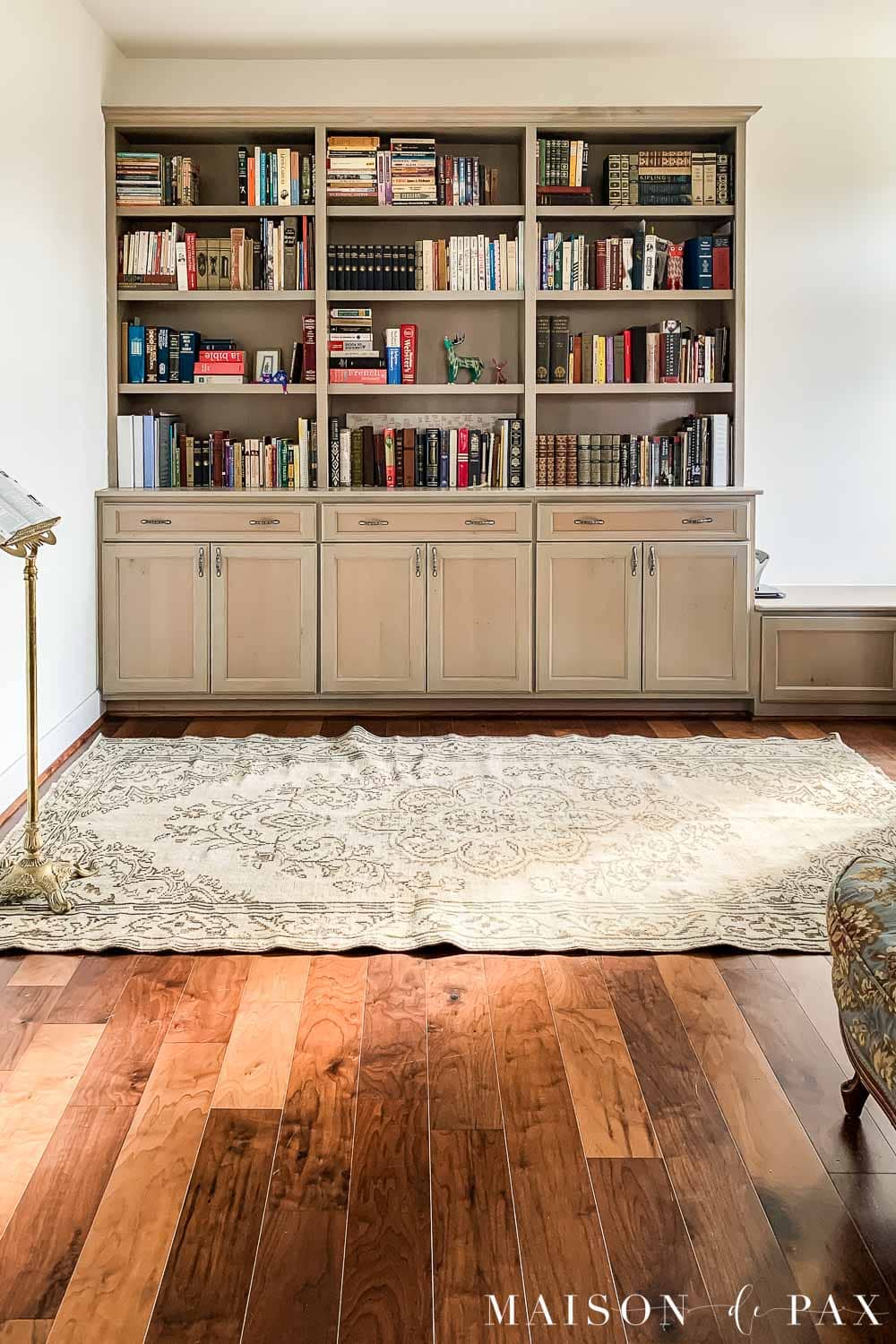
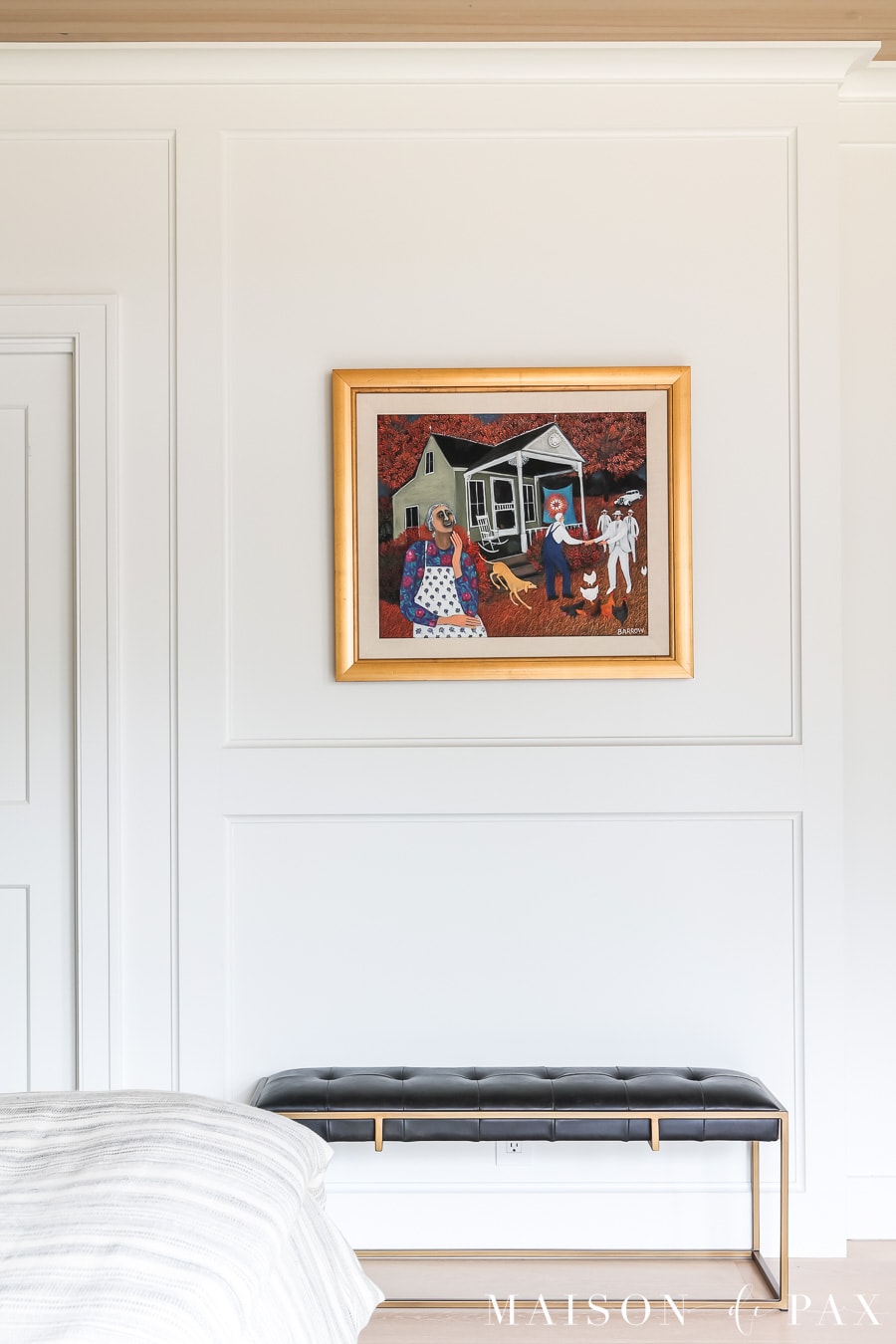
This is why I often recommend Pure White for darker or cooler rooms where homeowners want to maximize light without going stark white.
Alabaster, meanwhile, can be beautiful in rooms that already have plenty of warmth from sunlight, flooring, or furnishings.
Pure White vs Alabaster with Wood Tones
Both Pure White and Alabaster work beautifully with wood tones, which is part of why they’re both such timeless white paint colors.
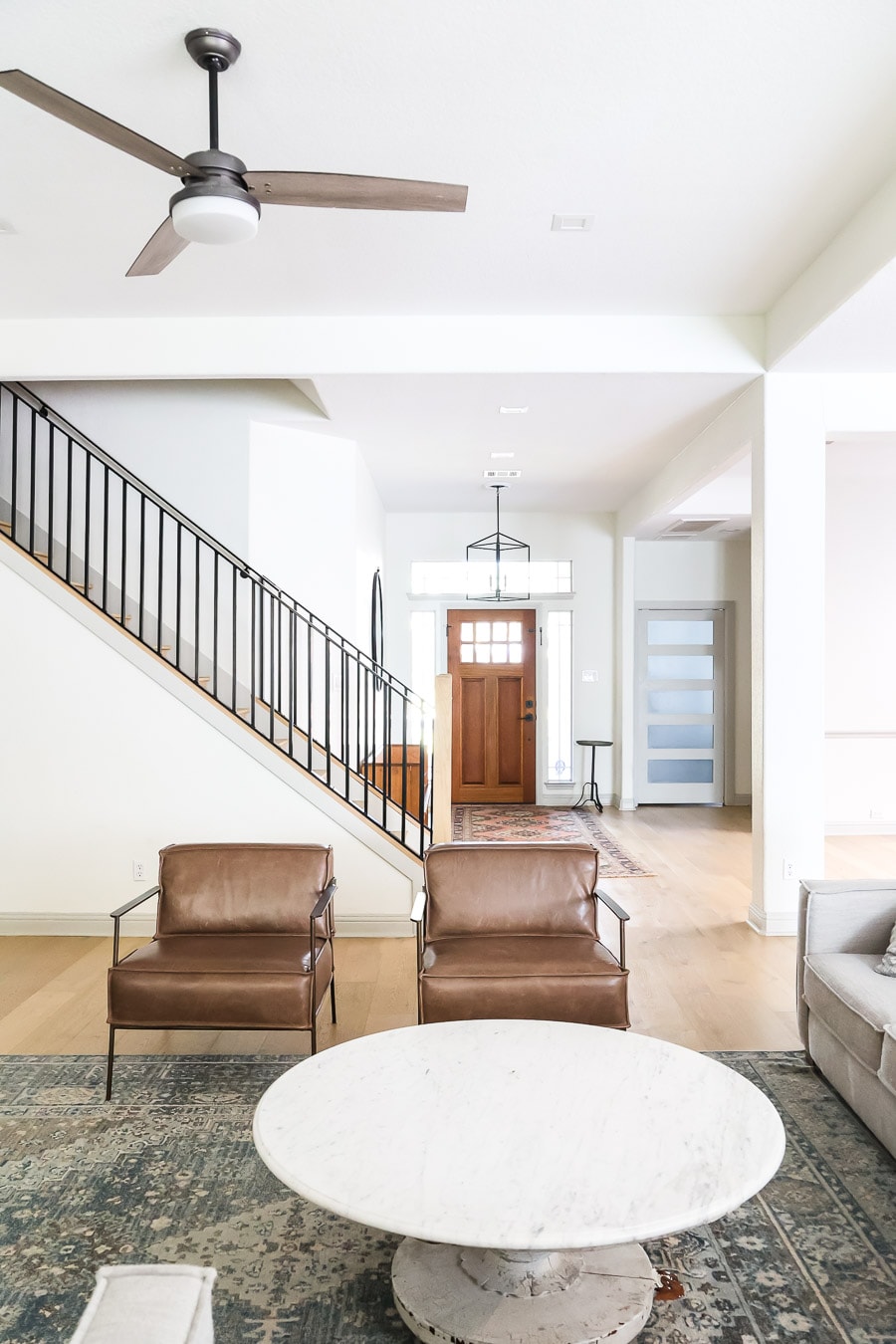
The biggest difference is really the amount of contrast they create.
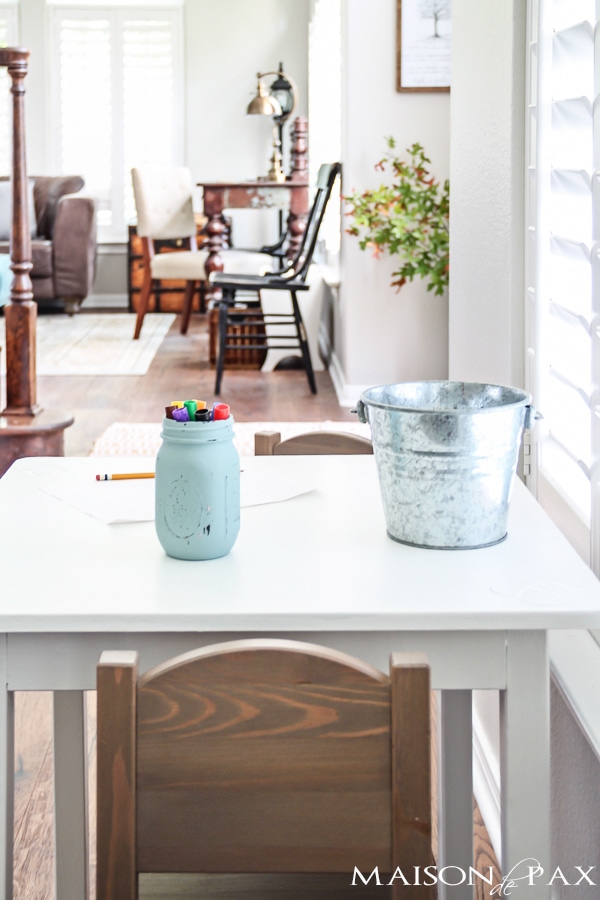
Pure White tends to create a slightly cleaner, brighter contrast against wood flooring, cabinetry, and furniture, while Alabaster blends a little more softly into warm wood tones for a cozier overall feel.
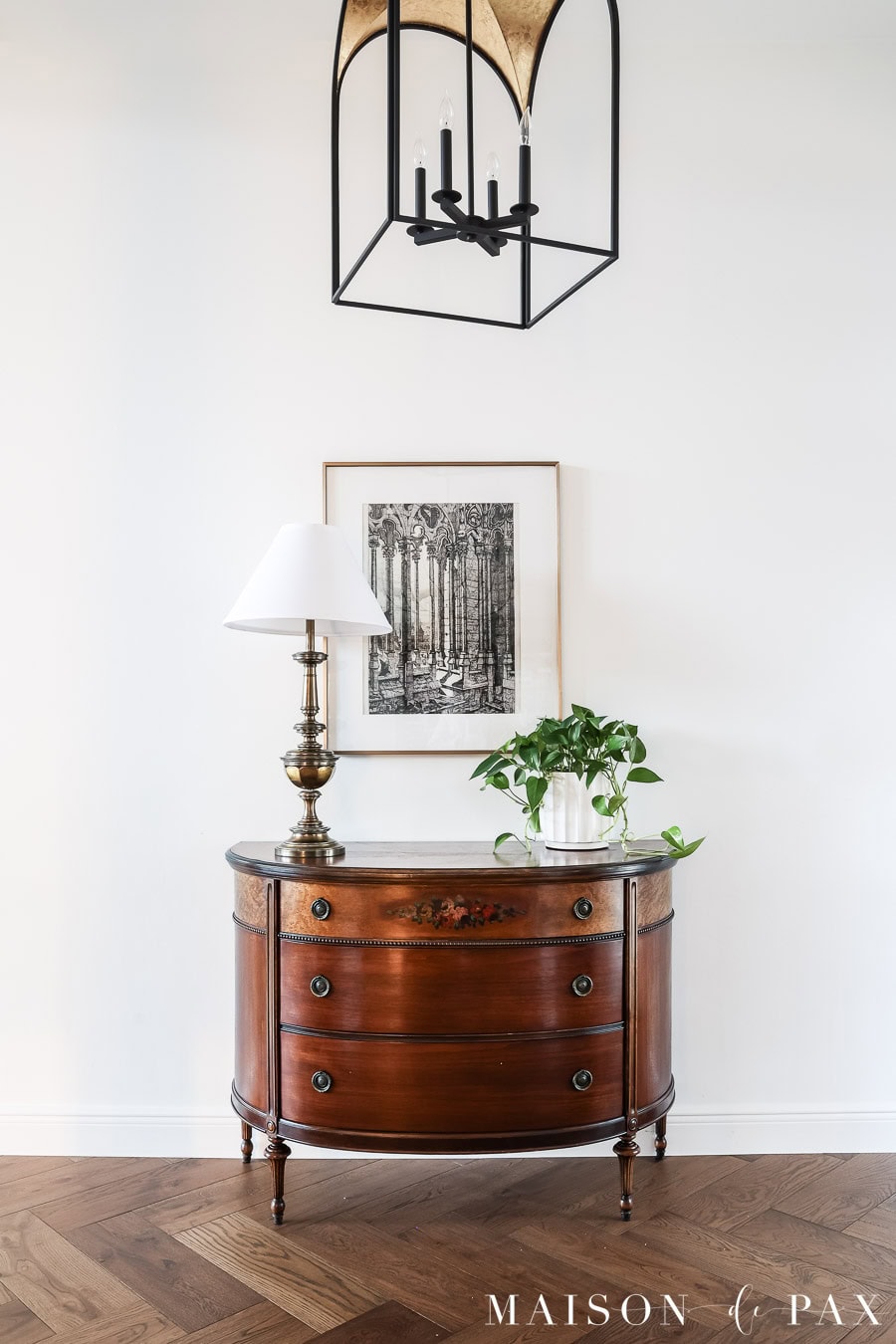
Neither one is wrong — it simply depends on whether you want your home to feel a bit fresher and brighter or softer and warmer.
When I’d Choose Pure White vs Alabaster
I’d Choose Pure White If…
- you want a brighter, fresher white,
- your home gets limited natural light,
- you like crisp but not stark contrast,
- you have cooler finishes or marble,
- you want a versatile trim color,
- or your style leans transitional or modern organic.
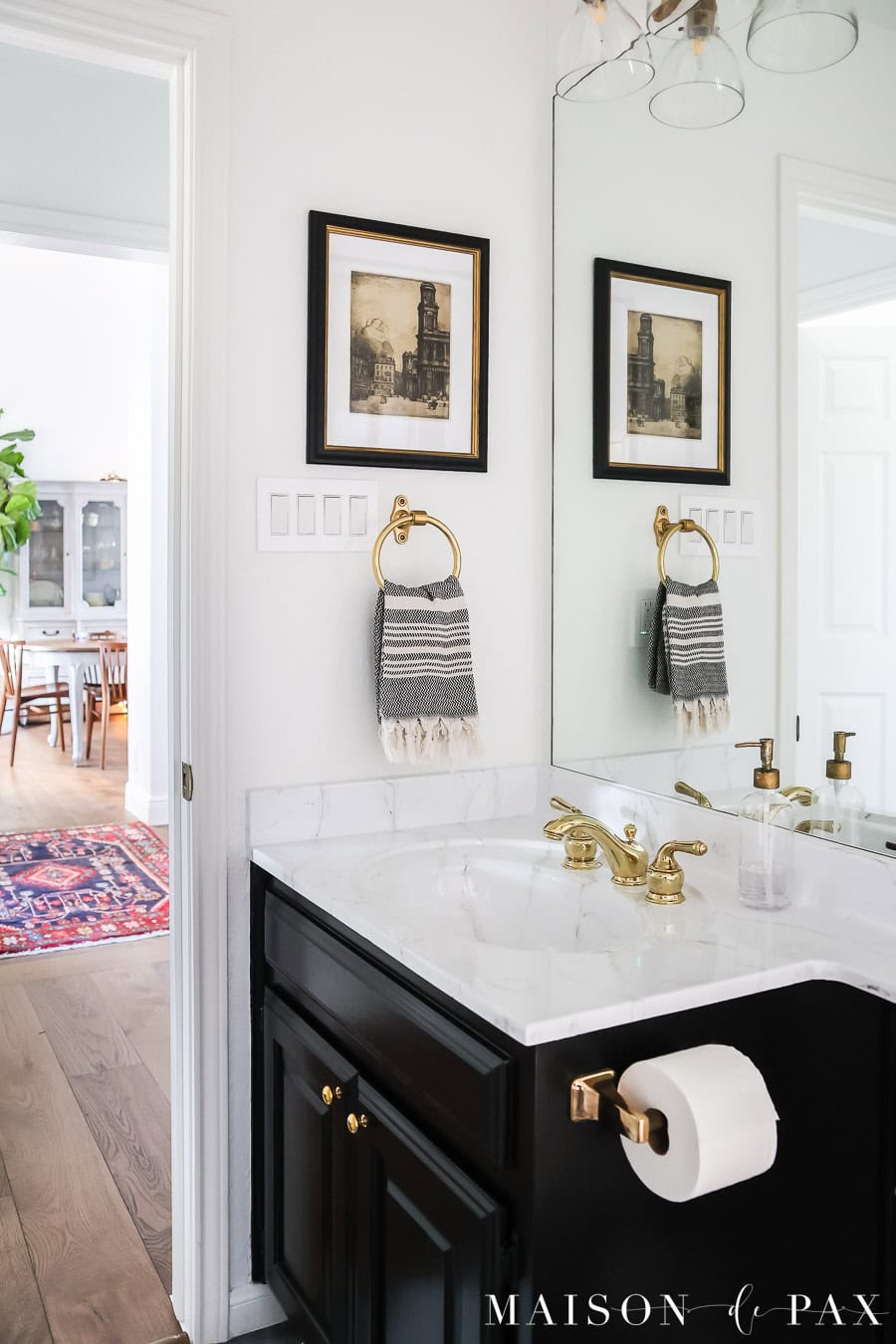
Pure White is especially good if you’re worried about white paint looking too creamy or yellow..
I’d Choose Alabaster If…
- you want a softer, warmer feel,
- your home has warm woods or earthy finishes,
- you love cozy, timeless interiors,
- your style leans traditional or European,
- or you want warmth without obvious yellow undertones.
Alabaster is one of those colors that can make a home feel instantly welcoming.
Best White for Trim?
For me, this is Pure White. It’s soft enough to work with warmer interiors but crisp enough to still feel clean. You can always use Alabaster on the walls even with Pure White trim.
Alabaster can absolutely work on trim, especially in softer traditional homes, but if I’m choosing just one versatile trim white, I almost always lean toward Pure White because some colors will make Alabaster trim look dingy. Extra White is also an excellent bright trim choice.
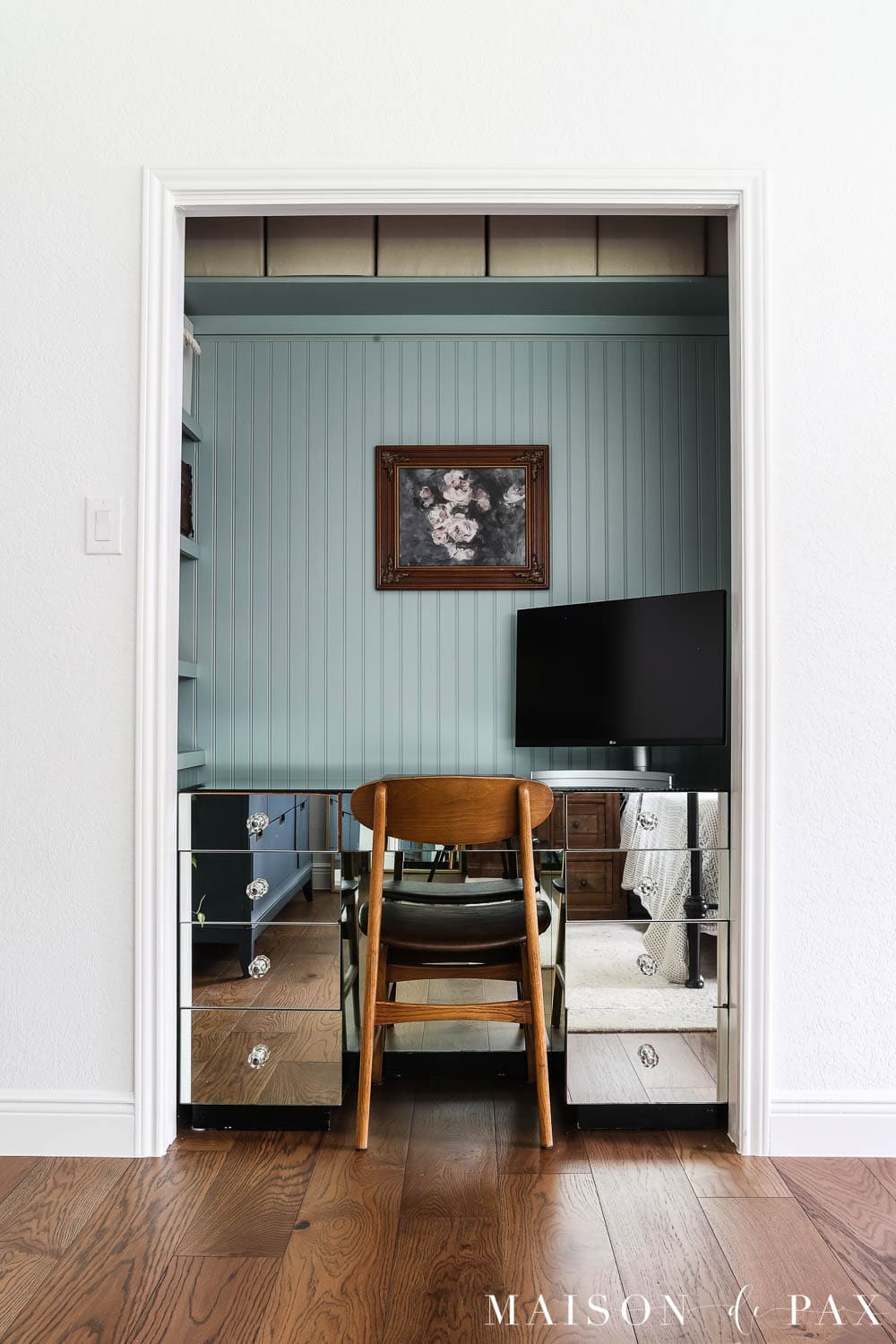
Best White for Cabinets?
This one depends entirely on the look you want. If you want a bright, fresh, clean contrast, then I’d choose Pure White.
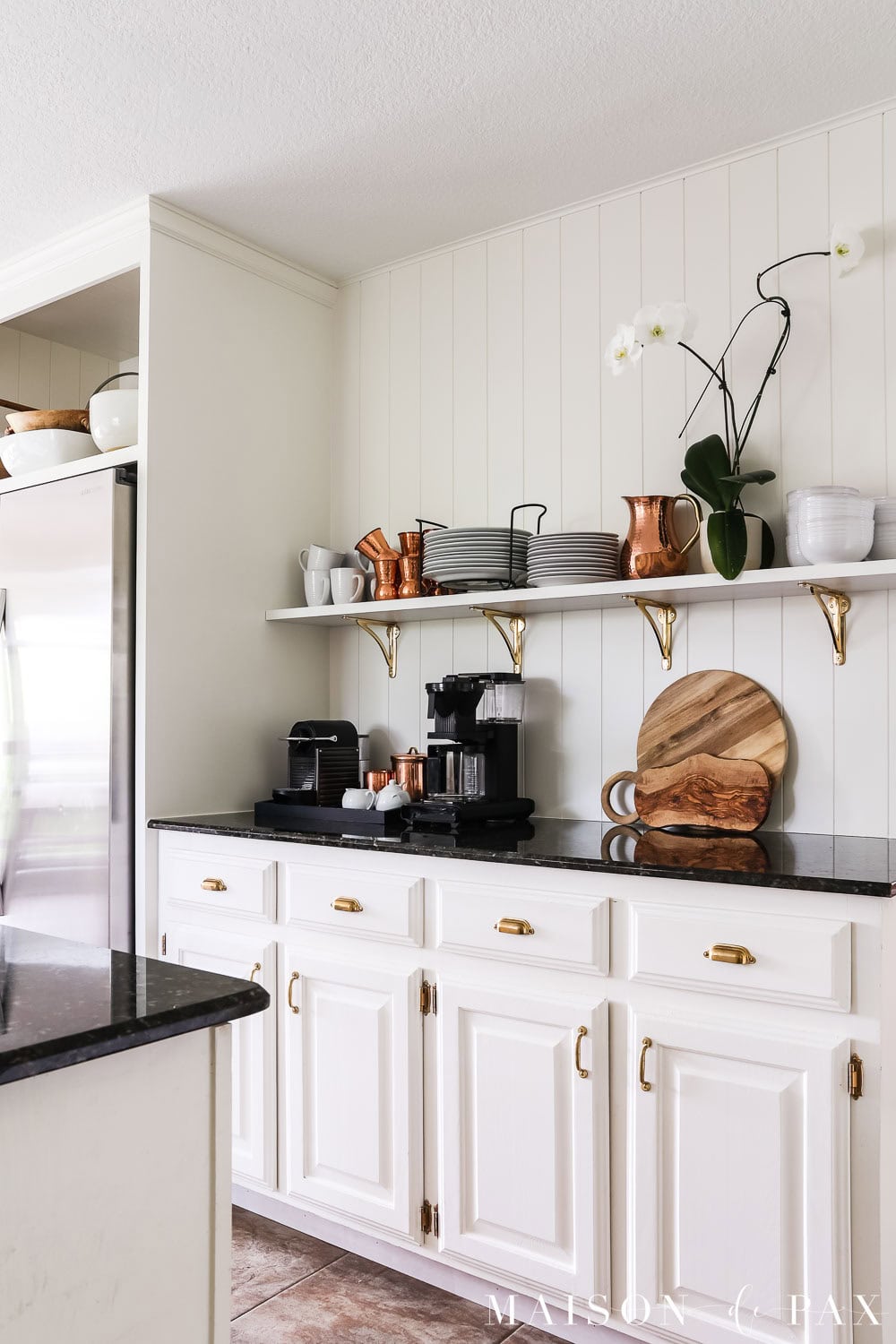
If you value warmth, softness, and a slightly more relaxed feel, then I’d choose Alabaster.
Best White for a Cozy Home?
Alabaster. No question.
It has a softness that immediately warms up a space without feeling too beige or yellow.
Best White for a Fresh, Airy Home?
Pure White.
Especially in homes with lots of natural light, marble, black accents, or cooler finishes.
Final Thoughts on Pure White vs Alabaster
Both Sherwin Williams Pure White and Alabaster are beautiful timeless white paint colors, and honestly, you really can’t go wrong with either one.
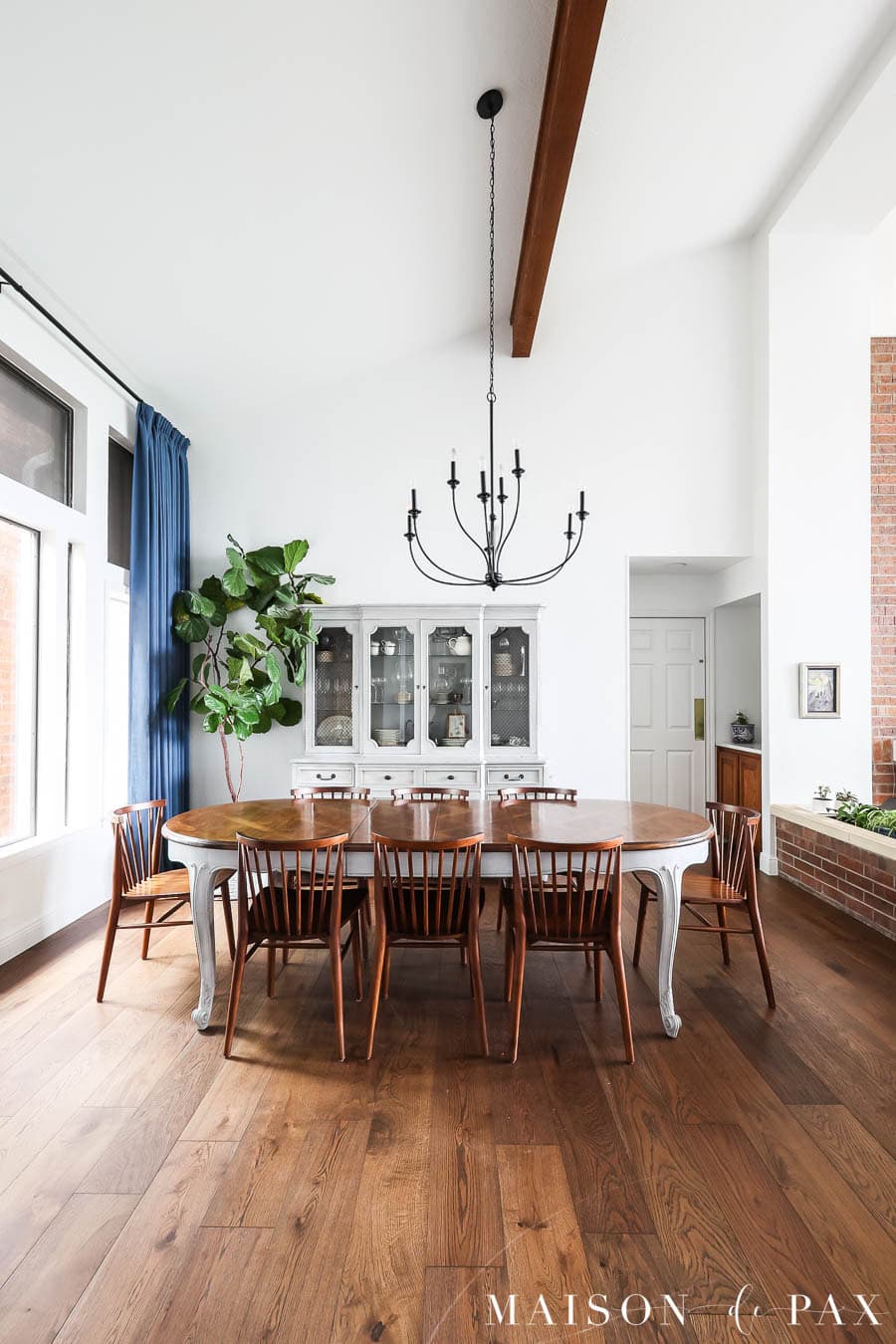
But while they may seem similar at first glance, they create very different moods in a home.
Pure White feels brighter, cleaner, and fresher.
Alabaster feels softer, warmer, and cozier.
The best choice ultimately depends on your lighting, your finishes, and the feeling you want your home to have. And after living with both, I can honestly say there’s room for either — or even both — in a timeless home.
If you’re still deciding between Sherwin Williams Pure White vs Alabaster, my advice is to think less about the paint strip and more about the feeling you want your home to have. Both are beautiful white paint colors, but Pure White feels brighter and cleaner while Alabaster feels softer and warmer.



Thanks for this very detailed breakdown; the contrasting pics are especially helpful!